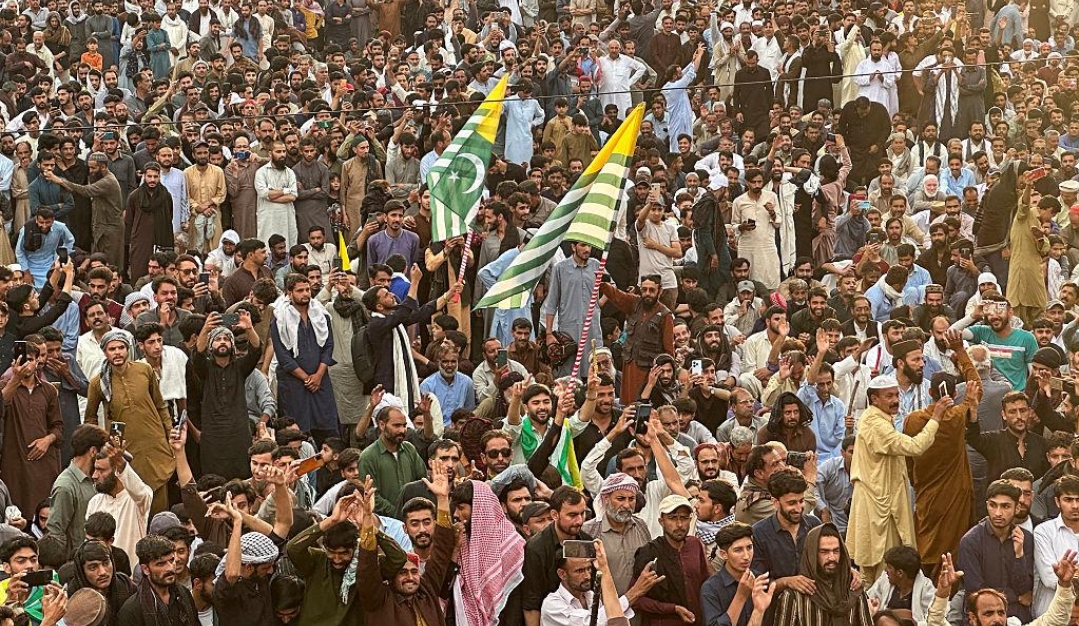
Muzaffarabad, PoJK, July 28: Amnesty International has called for an independent and transparent investigation into reports of the use of lethal force against protesters in Pakistan-occupied Jammu and Kashmir, PoJK, urging the Pakistani authorities to restore internet and mobile services and allow media and independent observers access to the region.
In a statement issued on Tuesday, Amnesty International’s Acting Regional Director for South Asia, Isabelle Lassee, said reports from Rawalakot during the first phase of regional elections reflected a pattern of unlawful force against protesters and required an impartial investigation.
“The disturbing reports emerging from Rawalakot are consistent with the Pakistani authorities’ long history of unlawful violence against protesters in Jammu and Kashmir. A prompt, independent, and transparent investigation must be ordered into the security forces’ use of force against protesters,” Lassee said.
She said the continued suspension of internet and mobile services was preventing independent verification of events and urged the authorities to restore communication services without delay.”So long as an internet and mobile services blackout remains in place, it will severely impede the independent verification of the full extent of the situation on the ground. We urge the Pakistani authorities to restore all communications access and allow media and independent observers into the area,” she said.
Amnesty also expressed concern over the ban on the Jammu and Kashmir Joint Awami Action Committee (JAAC), stating that the move had contributed to rising tensions during the election period. The organisation urged Pakistan to lift the ban and refrain from using anti-terror laws to suppress dissent or detain JAAC members and supporters.
According to Amnesty, reports from July 27 indicated violence in Rawalakot and a separate incident in Kotli where a political worker was killed during a clash between supporters of rival political parties. The organisation said JAAC had claimed that 19 people were killed and dozens injured after security forces opened fire on protesters, while media reports confirmed casualties without specifying the number.
Amnesty further noted that mobile internet services in the region have remained suspended since June 5. Citing media reports, it said at least 40 people, including 34 protesters and six police and paramilitary personnel, had been killed in incidents leading up to the election.
The unrest followed a 52-day protest movement led by JAAC, with demonstrators demanding the release of detained activists, withdrawal of legal cases against protesters and acceptance of their demands. After talks between JAAC and the authorities failed, thousands of protesters marched from Rawalakot towards Muzaffarabad on July 27.
Eyewitnesses associated with the movement alleged that Pakistani security forces opened fire on demonstrators, resulting in at least 14 deaths and nearly two dozen injuries. In a video message, JAAC leader Imtiaz Aslam claimed several protesters, including Usman Nazir, the younger brother of the movement’s founder Omar Nazir Kashmiri, were among those killed.JAAC later stated that the total number of people killed since June 5 had reached 67 and said the protest movement would continue.
Protest leaders have also alleged that the electoral process in PoJK has been manipulated through political interference, arrests of activists, intimidation and heavy deployment of security forces. They claimed these measures had affected political participation and public confidence in the electoral process.
Meanwhile, reports suggested that unrest spread to Mirpur following the violence in Rawalakot, with allegations on social media that security forces again opened fire on protesters during fresh demonstrations. The incidents coincided with polling in 13 constituencies of the Mirpur Division, where reports of violence and allegations of poll rigging also emerged.