Washington DC, US, September 27: US Treasury Secretary Scott Bessent has said Washington’s economic pressure campaign against Iran is producing results, citing restrictions imposed by Türkiye, Oman and the United Arab Emirates on Iranian aviation and financial activities.
The US Treasury launched Operation Economic Outcast on August 24 as a campaign aimed at cutting Iran’s access to international financial and economic networks. The department said Treasury officials had since engaged with governments in several countries to encourage measures against Iran and entities linked to its economy.
Bessent said Türkiye and Oman had stopped Mahan Air flights to their countries, while the UAE had halted flights by Iranian airlines. He also said major commercial banks in the UAE and Türkiye had stopped conducting transactions with Iran.
“These efforts are delivering results,” Bessent said in a post on X, adding that the US would continue working with other countries to further restrict Iran’s financial channels.
According to the US Treasury, Operation Economic Outcast is intended to disrupt the financial networks used by the Iranian government and the Islamic Revolutionary Guard Corps (IRGC), including channels linked to oil smuggling, sanctions evasion and other sources of revenue. The department has also announced sanctions against Iranian-linked financial networks in Türkiye and the UAE as part of the campaign.
Bessent also shared analysis by Brookings Institution economist Robin Brooks, who argued that Iran’s economy is facing increasing pressure from sanctions and restrictions on international trade and finance. Brooks has previously examined the effects of sanctions and economic disruptions linked to the Iran conflict.
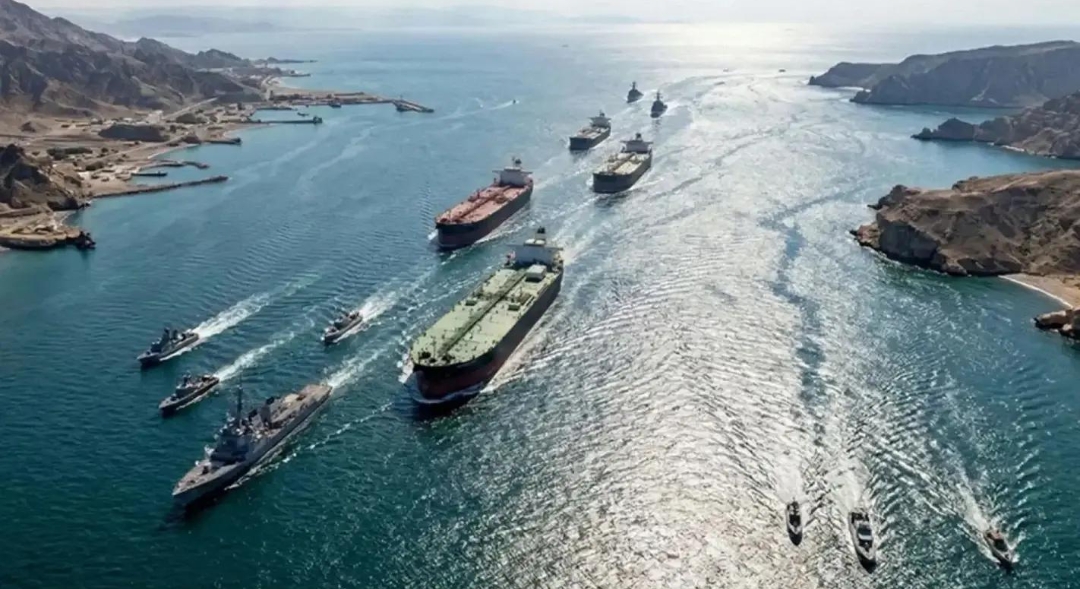
The economic pressure comes amid the wider US-Iran conflict and continued disruption around the Strait of Hormuz, a major route for global energy shipments. Brookings has reported that the conflict and restrictions on shipping through the strait have disrupted oil markets and affected economies dependent on energy imports.
The latest developments are expected to keep economic restrictions and access to international financial markets at the centre of the US campaign against Tehran, while the wider conflict continues to affect trade, energy markets and regional security.